
Two Decades of Advanced Control on a Critical Unit
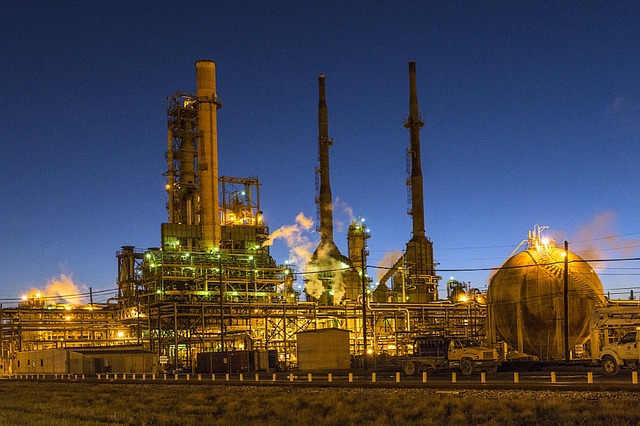
Advanced process control has enabled a major Canadian integrated oil and gas company to achieve significant, sustained cost savings on one of its upgrader units. The relationship goes back over 20 years: Capstone Technology Canada has been the trusted provider of turn-key advanced control applications for this facility's essential operating units, delivering ongoing maintenance, enhancements, and support the whole way through — not a one-time install.
The original equipment at this facility, as installed by the manufacturer, was not energy efficient, which meant getting the most out of batch production required creative, ongoing tuning rather than a single fixed configuration. That's a large part of why this has stayed a long-term engagement: the control strategy relies on close collaboration between operator input and process engineering evaluation, continuously adjusted as conditions change, rather than a set-and-forget system.
The Solution
The system Capstone built and has maintained recommends optimal settings to operators, with the option to switch into automatic mode as conditions allow — giving the operations team control over how much to hand off to the model versus keep under manual supervision. The full solution includes integrated soft sensors for essential lab measurements, model-predictive control with unit-level optimization, operator training to make sure the system is actually trusted and used day to day, and a modern plant historian featuring updated visualizations, data analytics, electronic logbooks, and management reporting.
The Results
Every process unit brings its own considerations, but on distillation specifically, the system holds specifications consistent within a 20–25% tighter band than before — which translates directly into better operational stability, and creates room for local throughput increases based on whatever downstream capacity allows. Because the control strategy runs on operator-informed, continuously tuned models rather than static setpoints, it has kept delivering value as feed conditions and equipment have changed over 20+ years, rather than degrading the way a fixed configuration typically would.
Why This Matters for Your Facility
Upgrader and refinery operators dealing with equipment that wasn't designed for today's energy-cost environment face a choice: replace it, or get more out of it through better control. This engagement is a case for the second path — two decades of sustained savings from advanced control layered onto existing, non-optimal equipment, maintained and re-tuned as a genuine long-term partnership rather than a project that ends at commissioning.
Connect with us about your challenges with tuning your upgrader